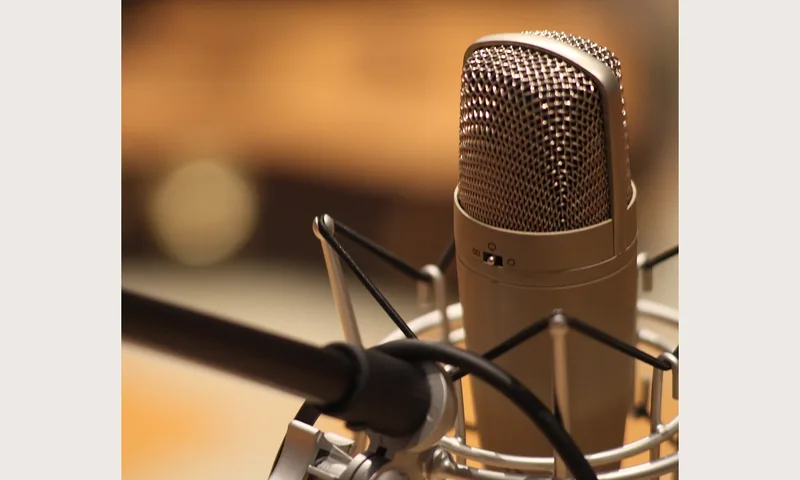
The short answer
Microphone distance and the room's noise matter before any vocal plug-in. A quieter, less reflective position can outperform a more expensive microphone in a bad location.
What to do
- Turn off avoidable noise and listen for fans, traffic and reflections. Choose a position away from hard bare corners.
- Use a stable stand and pop filter, then compare a few comfortable distances while keeping gain sensible.
- Record the loudest and quietest lines. Keep the singer's position consistent and leave room for natural movement.
Listen to the room before adding gain
Record speech and a few sung lines at the intended position. Listen for fan noise, traffic, a short bright reflection or a long room decay. Move the singer and microphone together to compare locations away from obvious reflective boundaries. Do not put a microphone in a tiny enclosed space merely because soft material can be hung there; cramped reflections and poor ventilation can create other problems.
Use placement and performance together
Choose a sensible working distance, a pop filter and the correct side of the microphone. A directional microphone can reduce some unwanted pickup, but its least-sensitive direction depends on the pattern. Test a loud phrase and a quiet phrase without changing gain. Ask the singer to maintain a reasonably consistent position; large movements change both level and tone before a compressor sees the signal.
Record manageable room sound
Use stable absorptive furnishings where practical and keep them away from heat, ventilation and walking paths. Compare an untreated reference with the changed setup. If the vocal is still noisy, distinguish steady background noise from room reflections: software suppression addresses them differently and may damage the voice. Record several seconds of room tone for editing, and keep an unprocessed vocal copy.
Check the result
Listen on headphones for room tails, plosives and changing bass. Keep the position that gives the most usable raw take.
Know the limits
A directional microphone can become bass-heavy close up. Thin foam does not soundproof a room; it cannot stop substantial noise entering through walls.
Further reading
Sources for the connections and technical principles discussed above. The diagnostic sequences are our editorial explanation. Consult the manual for your exact model before changing hardware or settings.
These are general educational guides, not hands-on product reviews. How we prepare our content. Cover photo source & license.
Keep working on your setup
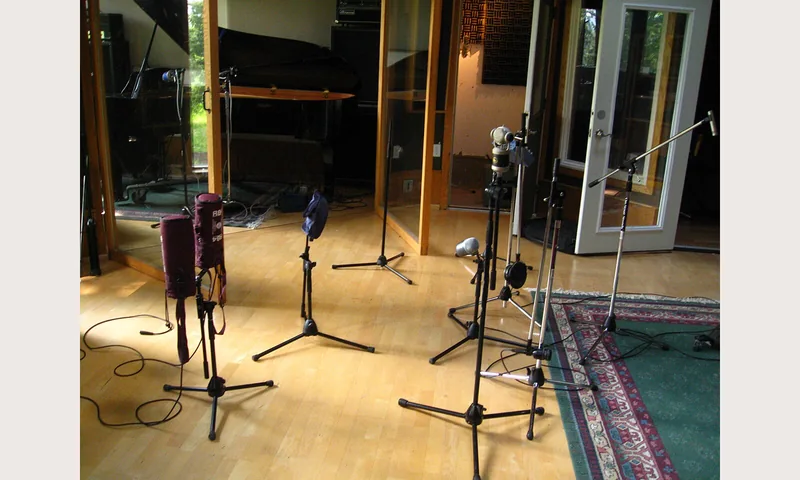
Record acoustic drums with one microphone
Find the balance in the room before reaching for processing.
Read the guide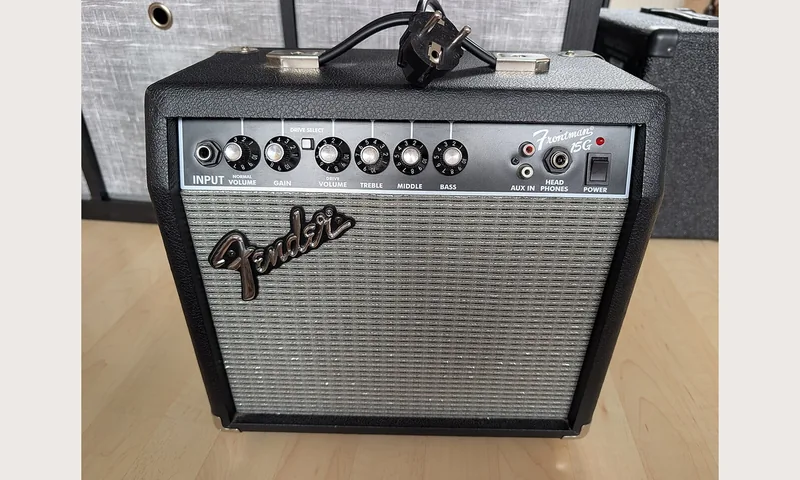
Record a guitar amplifier at home
Use speaker position and mic placement to shape the recorded tone first.
Read the guide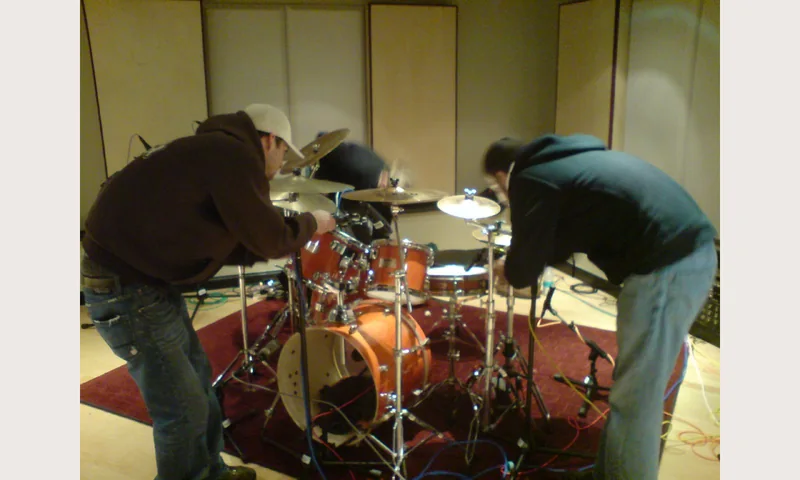
Check phase in a two-microphone drum recording
Compare the microphones together, not only in solo.
Read the guide