Reduce bass disturbance in a shared home
Lower low-frequency energy and change listening habits before buying foam.
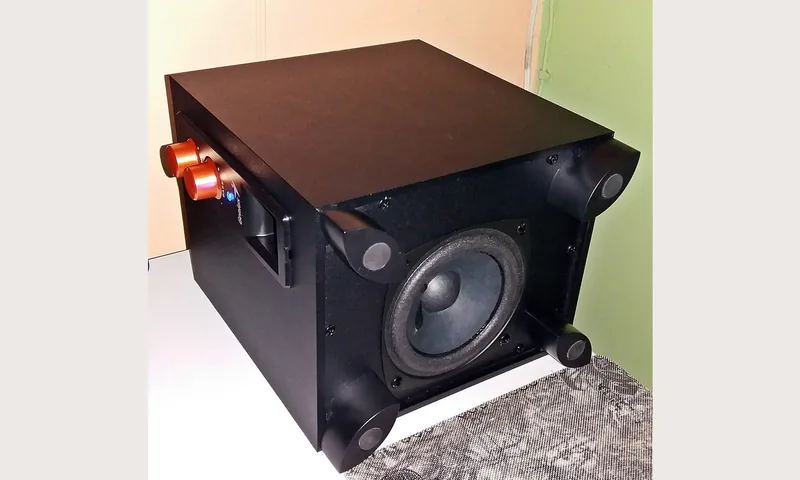
The short answer
Bass can travel through structures and be difficult to contain. A small room treatment panel is not a soundproofing solution.
What to do
- Try a lower subwoofer level or a supported night mode at the times neighbours are most affected.
- Move the subwoofer away from shared boundaries where practical and compare at the listening seat.
- Agree on reasonable listening periods and keep a repeatable evening preset rather than guessing each night.
Find what is actually travelling
Listen for loose objects and furniture rattles as well as audible bass outside the room. Ask a housemate to compare a short passage at agreed times and settings. Floor vibration and airborne low-frequency sound are related but different problems. A pad that stops one cabinet rattle may still leave substantial sound in a neighbouring room.
Reduce the source before adding materials
Lower subwoofer level or use a supported night mode and compare the result. Move the subwoofer away from a troublesome boundary if practical, then recheck the listening seats. Keep it on a stable support and preserve ventilation. Thin foam, rugs and curtains are not dependable barriers to deep bass, so avoid purchasing them on an isolation promise alone.
Agree on a workable listening routine
A lower evening setting, shorter loud sessions or headphones may achieve more than small accessories. Test any improvement from the affected room, not only beside the system. Major sound isolation usually involves the building structure and needs competent assessment. In a rented or shared property, obtain appropriate consent before altering walls, floors or building services.
Check the result
Judge success by reduced disturbance as well as your own bass balance. A lower playback level may be the most effective change.
Know the limits
Isolation feet may reduce some mechanical coupling but cannot guarantee that airborne bass stops travelling through a building.
Further reading
Sources for the connections and technical principles discussed above. The diagnostic sequences are our editorial explanation. Consult the manual for your exact model before changing hardware or settings.
These are general educational guides, not hands-on product reviews. How we prepare our content. Cover photo source & license.
Keep working on your setup
Distinguish acoustic treatment from soundproofing
Decide whether the problem is inside or outside the room.
Read the guide
Connect a soundbar using ARC or eARC
Use the labelled ports and confirm both devices support the chosen return channel.
Read the guide
Choose a soundbar or separate speakers
Decide how many boxes, cables and adjustments your room can accommodate.
Read the guide