Route a software drum kit to separate mixer channels
Give kick, snare and cymbals independent processing while preserving the instrument balance.
The short answer
Enable the drum instruments individual outputs, create matching audio return tracks, and verify every route with isolated hits. Keep an intentional master path so the same drum is not heard twice through both a stereo mix and its separate output.
What to do
- Open the instruments output configuration and identify the available channels.
- Assign kick, snare, toms and cymbals to suitable outputs inside the instrument.
- Create audio tracks that receive those outputs in the host.
- Solo one kit piece at a time and label the receiving tracks.
- Check the stereo master and group routing before adding processing.
Begin with a small routing plan
You do not need a separate channel for every microphone or sample layer immediately. Start with kick, snare, toms and cymbals if those groups match your mixing decisions. Name each output in plain language. A short routing list helps you identify whether a silent track is caused by the instruments assignment, the host input selection or a muted group.
Understand what the outputs contain
Some drum instruments offer individual drum signals, simulated microphone channels, or both. A snare can therefore appear in a close channel and in overhead or room channels. This is intentional when the instrument models a recorded kit. Read its manual before assuming any signal in a second channel is an accidental duplicate. Preserve a reference of the original instrument balance.
Avoid an unintended parallel mix
The instruments main stereo output may continue carrying sound after individual outputs are enabled, or it may change according to the selected routing. Listen and inspect rather than assuming. If the same full signal reaches the master through two routes, levels and processing become misleading. Keep deliberate parallel effects labeled and mute unused return paths.
Make the session portable
Individual outputs depend on the instrument being installed and configured correctly. Save its preset with the project where supported, then print audio before handing the session to someone without that instrument. Include a stereo reference so they can hear the intended starting balance. Keep all rendered channels at the same musical start and retain meaningful names.
Check the result
Play a groove, then mute each return in turn. Its intended kit piece or microphone group should disappear predictably. Compare the routed kit with an unprocessed stereo reference at similar loudness to catch omissions.
Know the limits
Output counts and host procedures differ. The host must support the instruments output format, and some instruments expose stereo pairs rather than arbitrary mono channels.
Further reading
Sources for the connections and technical principles discussed above. The diagnostic sequences are our editorial explanation. Consult the manual for your exact model before changing hardware or settings.
These are general educational guides, not hands-on product reviews. How we prepare our content. Cover photo source & license.
Keep working on your setup
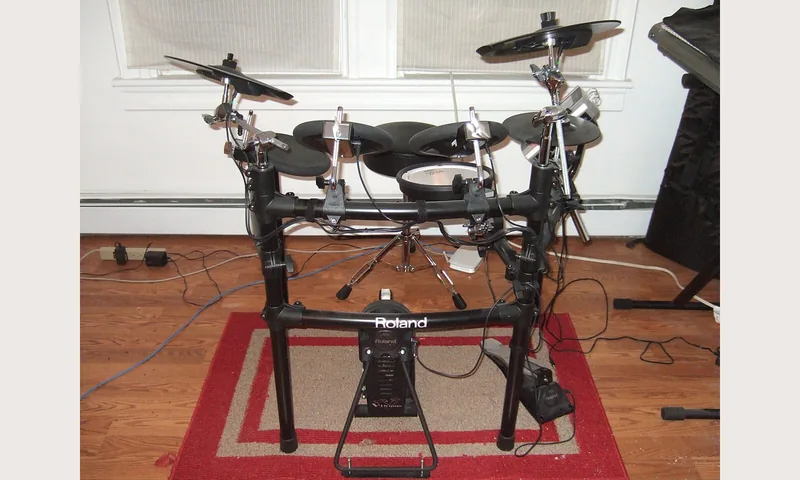
Map electronic drum MIDI notes to a software kit
Make every pad trigger the intended instrument before you start recording.
Read the guide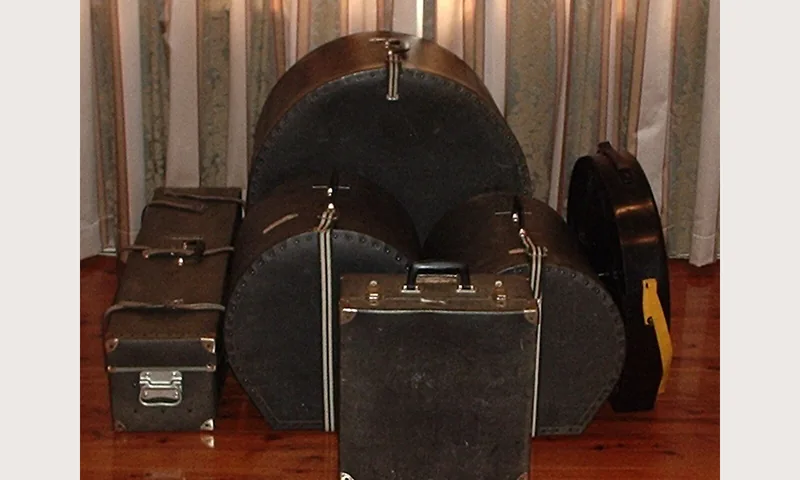
Transport an electronic drum kit safely
Document connections and protect sockets, mesh and moving parts.
Read the guide
Move a single paradiddle around the drum kit
Turn the sticking RLRR LRLL into a musical idea while keeping the underlying notes intact.
Read the guide