Choose a soundbar or separate speakers
Decide how many boxes, cables and adjustments your room can accommodate.
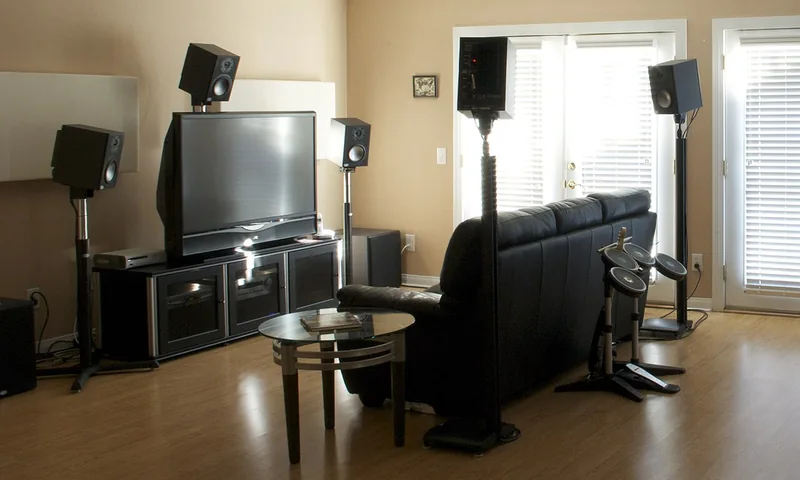
The short answer
A soundbar simplifies placement; separate speakers can offer more flexible positioning and expansion. Start with the room and everyday use rather than channel-count marketing.
What to do
- Measure the TV furniture and seated listening position. Note doors, power outlets and safe cable routes.
- List must-have sources and connection types, including consoles, TV apps and turntable equipment if relevant.
- Compare dialogue clarity and normal-volume sound, not only a loud demo. Include setup complexity in the decision.
Map the room before comparing equipment
Mark the screen, usual seats, available power and safe cable paths. Separate speakers need usable positions; a soundbar needs clearance around its drivers and any upward-firing units. A larger channel count does not compensate for speakers hidden behind furniture. Note whether the room must also accommodate children, doors and everyday movement before choosing a layout.
Compare the complete connection path
List the television, consoles, streaming players and music sources you actually use. Check supported audio formats, HDMI inputs and whether sound returns through ARC or eARC. Include stands, cable, a receiver and any required subwoofer in the comparison. A simple system with reliable volume control may be more useful than extra channels that require awkward switching.
Judge dialogue from the real seats
Use familiar speech and a quiet film scene at a normal evening level. Move between the seats that matter and listen for intelligibility, not only impressive bass. Ask how the system can expand or be repaired later. Choose separate speakers when placement and flexibility justify the work; choose a soundbar when the simpler physical setup better fits the room.
Check the result
The system should fit physically, switch sources reliably and keep dialogue intelligible from the seats you actually use.
Know the limits
A claimed virtual surround mode is not equivalent to speakers placed around the room. Multiple boxes also create more opportunities for poor placement.
Further reading
Sources for the connections and technical principles discussed above. The diagnostic sequences are our editorial explanation. Consult the manual for your exact model before changing hardware or settings.
These are general educational guides, not hands-on product reviews. How we prepare our content. Cover photo source & license.
Keep working on your setup
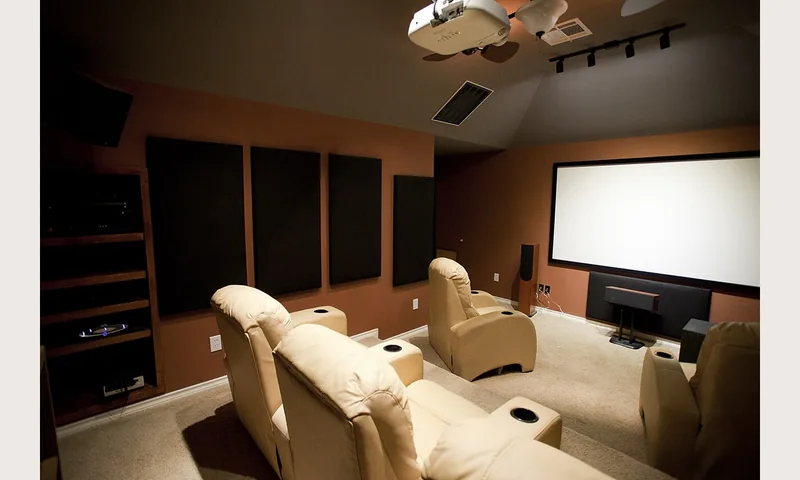
Place a centre speaker for clearer dialogue
Aim the centre channel toward the seats and keep the front unobstructed.
Read the guide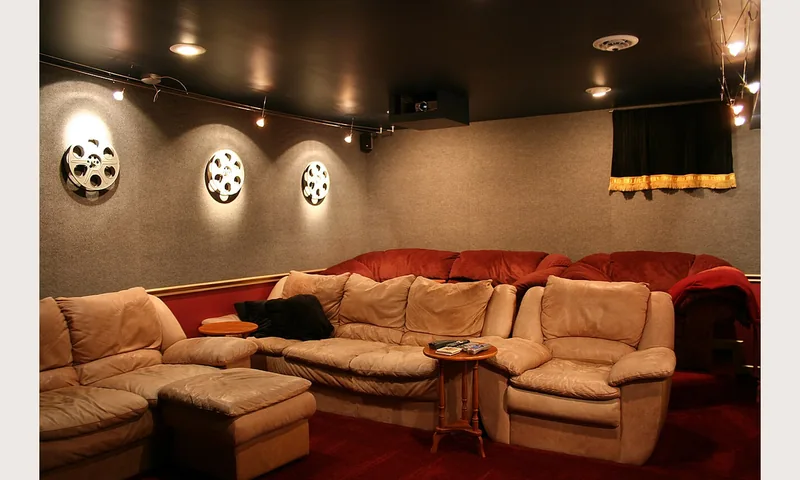
Set up a basic 5.1 speaker layout
Map the channels to the room before running calibration.
Read the guide
Connect a soundbar using ARC or eARC
Use the labelled ports and confirm both devices support the chosen return channel.
Read the guide