Place a centre speaker for clearer dialogue
Aim the centre channel toward the seats and keep the front unobstructed.
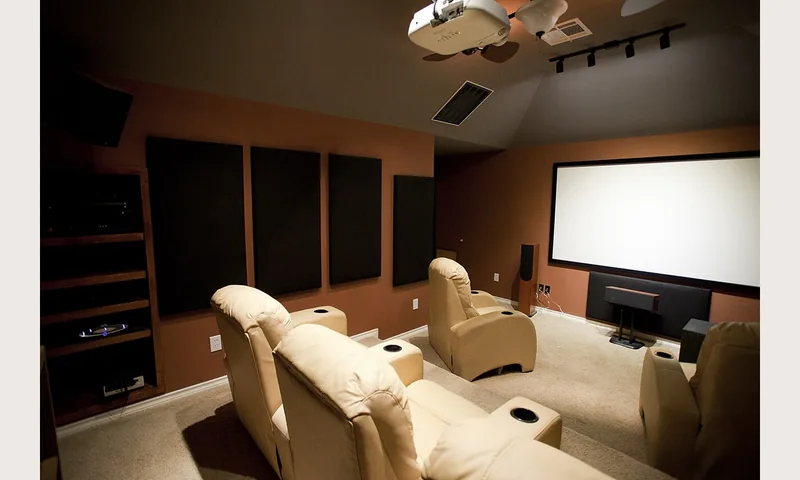
The short answer
A centre speaker hidden deep inside furniture can sound different from the left and right speakers. Placement is a practical first step before large EQ changes.
What to do
- Bring the front of the speaker close to the shelf edge while keeping it stable and ventilated.
- Aim its intended listening axis toward ear level using a secure, manufacturer-approved support.
- Run the system's channel test, then compare speech from several seats. Re-run calibration if you have moved the speaker substantially.
Give speech a direct path
Place the centre close to the screen so voices appear to come from the picture. Keep its front clear of cabinet edges and objects that block the drivers. If it must sit below ear level, aim it toward the listening area using a stable, suitable support. Never let the cabinet or speaker compromise television stability or ventilation.
Separate placement from level
Play a scene with steady conversation and compare the usual seats. First adjust position and angle, then run the receiver setup again if needed. Increasing centre level may help a particular mix, but it also makes every centre-channel sound louder. Check that front-left and front-right speakers have not been assigned incorrectly before compensating with a large boost.
Test at the volume you use
An arrangement that works during a loud demonstration may still obscure whispered dialogue at night. Compare moderate volume, a supported dialogue feature and dynamic-range control one at a time. Keep notes so you can return to the original settings. Some centre designs vary across a wide sofa, so evaluate the side seats rather than assuming one good central seat proves coverage.
Check the result
Dialogue should stay clear without an extreme centre-channel boost or a muffled character caused by furniture.
Know the limits
Do not block equipment ventilation or balance a heavy speaker precariously. Some centre designs change tone off-axis; one perfect seat may not represent the whole sofa.
Further reading
Sources for the connections and technical principles discussed above. The diagnostic sequences are our editorial explanation. Consult the manual for your exact model before changing hardware or settings.
These are general educational guides, not hands-on product reviews. How we prepare our content. Cover photo source & license.
Keep working on your setup
Set up a basic 5.1 speaker layout
Map the channels to the room before running calibration.
Read the guide
Choose a soundbar or separate speakers
Decide how many boxes, cables and adjustments your room can accommodate.
Read the guide
Understand Atmos speaker numbers
Read the layout as ear-level channels, subwoofers and height channels.
Read the guide