Find a comfortable headphone fit
Adjust the physical fit before judging bass or buying replacement pads.
The short answer
Seal and position affect both comfort and sound. Glasses, hair, pad wear and uneven headband pressure can change what reaches each ear.
What to do
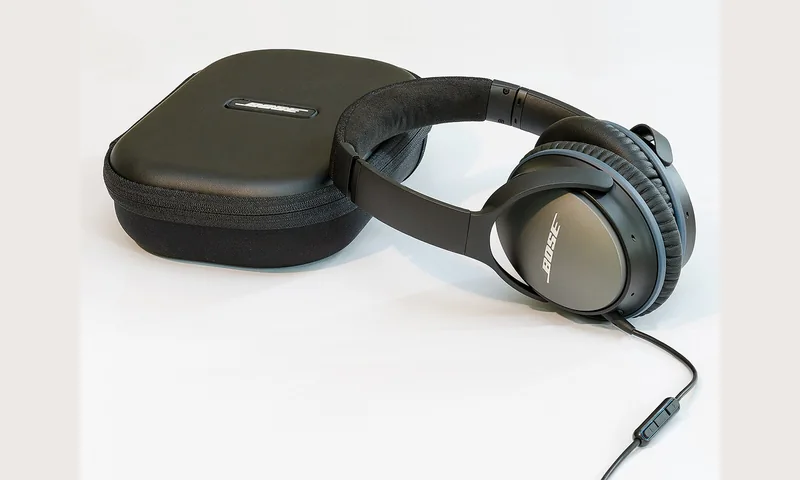
- Extend both sides evenly and place the driver over the ear rather than pressing on its edge.
- Listen to speech and a familiar bass passage while making small positional changes. Check whether glasses break the seal.
- Wear the pair for a normal session and note pressure or heat. Inspect worn pads against the manufacturer's replacement guidance.
Adjust before evaluating the sound
Set the headband so the cups centre naturally around or on your ears without the band carrying all the pressure. Check that pads sit evenly and do not fold underneath the cup. For in-ear models, try the supplied tip sizes without forcing a deep fit. Uneven seal can change perceived bass and balance, making a fit issue sound like a driver problem.
Include your normal accessories
Try the fit while wearing glasses and moving your jaw. Check whether cable weight pulls on one side and whether the ear pads touch a sensitive part of the ear. Take a break if discomfort develops rather than using a tighter fit to secure the headphone. Different cushion materials change heat and feel; replacements can also alter sound and should match the intended model.
Use a sustained comfort check
Evaluate a normal-length session at moderate level and note pressure, heat and whether you repeatedly readjust the fit. Give each trial the same duration. A secure fit should not require ignoring pain or persistent irritation. If an in-ear tip does not seal comfortably, change size or design instead of increasing volume to restore bass. Stop using a damaged pad or tip that no longer stays secure.
Check the result
The image should sit centrally and the sound should stay consistent when you move your head normally.
Know the limits
Third-party pads can change the acoustic result. A better seal is not a reason to clamp harder if the fit becomes painful.
Further reading
Sources for the connections and technical principles discussed above. The diagnostic sequences are our editorial explanation. Consult the manual for your exact model before changing hardware or settings.
- Neumann: headphone construction and amplifier matching
- Neumann: headphone impedance and amplifier requirements
- WHO: safe listening
These are general educational guides, not hands-on product reviews. How we prepare our content. Cover photo source & license.
Keep working on your setup
Fix a headphone channel that cuts out
Separate the headphone, cable, adapter and source.
Read the guide
Choose open-back or closed-back headphones
Decide how much sound must stay inside and outside your headphones.
Read the guide
Match headphones to an audio source
Check output capability and sensitivity as well as impedance.
Read the guide