Choose open-back or closed-back headphones
Decide how much sound must stay inside and outside your headphones.
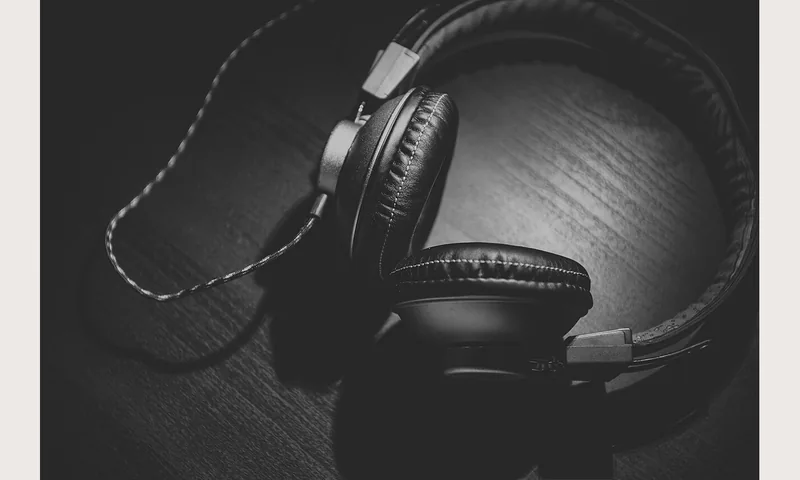
The short answer
Open and closed designs solve different listening problems. The room, nearby people and microphone use matter more than a blanket claim that one type sounds better.
What to do
- List the situations you need to cover: shared desk, quiet evening listening, voice recording or travel.
- Test how much your music leaks at a comfortable level and how much nearby conversation remains audible.
- For recording beside a microphone, record silence while the backing track plays through the headphones and check for leakage.
Start with the room and the people in it
Try the headphones where you will actually listen. An open design allows more exchange with the room, while a closed design can reduce that exchange to varying degrees. Check whether someone nearby hears your music and whether you still hear a fan or conversation. These practical constraints matter more than an assumption that one enclosure type always sounds more accurate.
Separate isolation from tonal preference
Compare the same passage at a comfortable matched level. Listen for vocal clarity, bass balance and any sharpness that becomes tiring. A closed headphone with a poor seal may lose bass, especially around glasses or hair. An open headphone can be unsuitable beside a recording microphone because of leakage. Neither label tells you the complete frequency response or fit.
Use a realistic trial
Wear each option long enough to notice heat and pressure, and move your head as you normally would. For recording, make a quiet test with the backing track playing and listen for headphone spill in the microphone track. For shared listening, ask the other person whether leakage is disruptive. Choose for the task that occupies most of your time rather than an imagined ideal room.
Check the result
Choose the design that works at a sensible level in your actual space, then compare comfort and tonal preference.
Know the limits
Closed-back does not necessarily mean strong isolation. Open-back is usually impractical where leakage or ambient noise would force the volume up.
Further reading
Sources for the connections and technical principles discussed above. The diagnostic sequences are our editorial explanation. Consult the manual for your exact model before changing hardware or settings.
- Neumann: headphone construction and amplifier matching
- Neumann: headphone impedance and amplifier requirements
- WHO: safe listening
These are general educational guides, not hands-on product reviews. How we prepare our content. Cover photo source & license.
Keep working on your setup
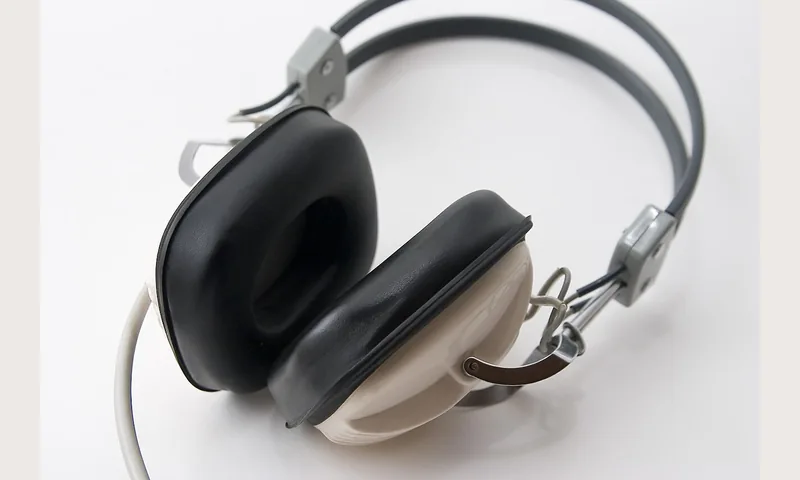
Match headphones to an audio source
Check output capability and sensitivity as well as impedance.
Read the guide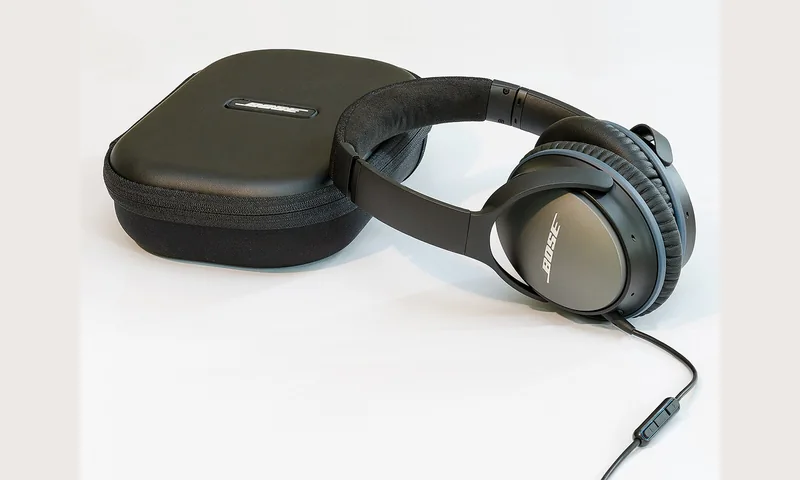
Find a comfortable headphone fit
Adjust the physical fit before judging bass or buying replacement pads.
Read the guide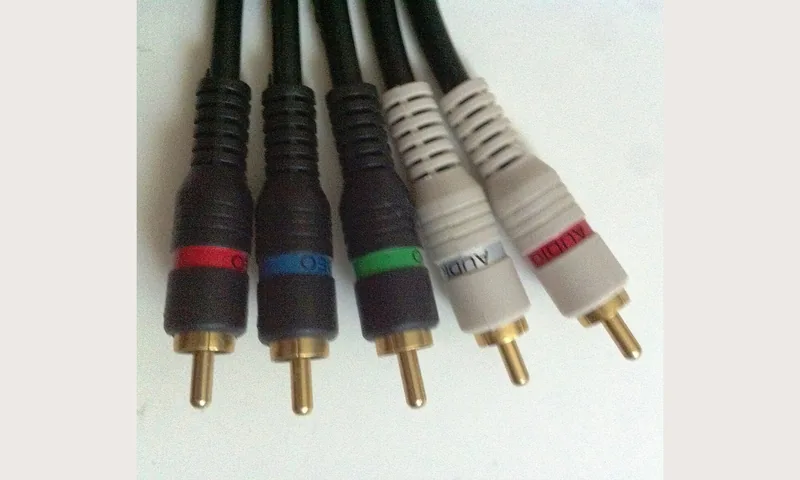
Fix a headphone channel that cuts out
Separate the headphone, cable, adapter and source.
Read the guide