Label and document a multitrack drum session
Make every microphone, take and setup change understandable when the session is reopened.
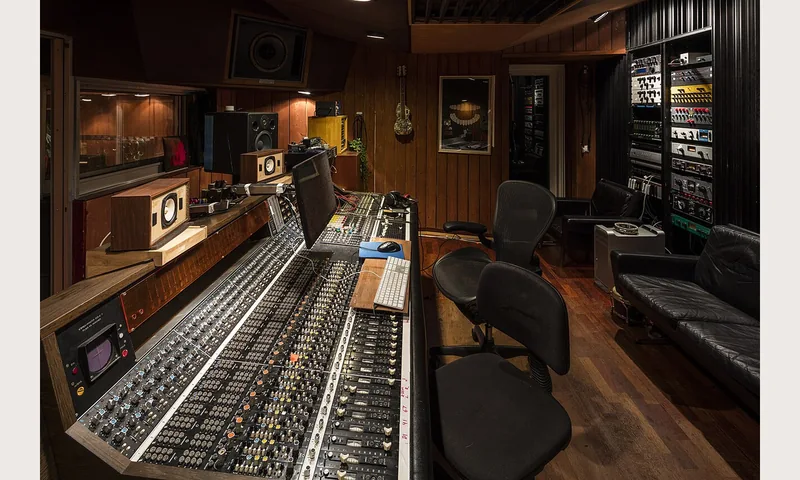
The short answer
Name tracks by source and position, keep the input list consistent, and record meaningful changes in a session note. A clear take reference and a stereo rough mix make later editing faster and less error-prone.
What to do
- Create a track list before recording and match it to physical input connections.
- Name each track by instrument and microphone role, including left and right where relevant.
- Record a short line check and confirm every label against the sound.
- Mark complete takes and document meaningful microphone, tuning or routing changes.
- Save a dated session note and a rough reference mix with the project.
Use names that explain the sound
Labels such as Kick Inside, Snare Top and Overhead Left are more useful than numbered audio tracks alone. Include a microphone identifier when it helps distinguish alternatives, but keep the main source obvious. Define whether left and right describe drummer or audience perspective. That one note prevents an avoidable stereo reversal in a later mix.
Keep inputs and tracks consistent
A template is useful only if its labels match todays cables. During the line check, strike or speak into one source at a time and confirm the expected track responds. Update the session immediately when a cable moves. Do not rely on remembering that a floor-tom track temporarily contains a room microphone, especially when another editor may receive the files.
Record changes that affect matching
A new snare tuning, moved overhead pair or different preamp setting can make later takes sound different. Note the take number where the change begins and its purpose. You do not need a diary of every minor action; capture information that helps someone choose compatible takes or explain a tonal change. Photographs can supplement measurements when they are available and appropriate.
Give the handoff musical context
Keep a rough mix showing the intended balance and list the preferred takes or comp decisions. If exports are requested, identify whether processing is included and whether all files share a common start. Store notes with the audio rather than in a disconnected message. Use version names that describe a meaningful milestone so the editor can find the latest approved performance.
Check the result
Close the session and use only its labels and notes to identify each microphone, the preferred take and any setup changes. If that is difficult, improve the documentation before the recording details fade.
Know the limits
Naming conventions vary by team. Agree on the essential format with collaborators, and do not include private contact details or unrelated personal information in public deliverables.
Further reading
Sources for the connections and technical principles discussed above. The diagnostic sequences are our editorial explanation. Consult the manual for your exact model before changing hardware or settings.
- Ableton Live 12: recording new clips
- Ableton Live 12: routing and I/O
- Shure: microphone techniques for recording
These are general educational guides, not hands-on product reviews. How we prepare our content. Cover photo source & license.
Keep working on your setup
Organise a recording session before tracking
Name and route the tracks while there is time to check them.
Read the guide
Record drum MIDI and module audio together
Capture an editable performance and the sound you actually played in one take.
Read the guide
Route a software drum kit to separate mixer channels
Give kick, snare and cymbals independent processing while preserving the instrument balance.
Read the guide