Fit kick drum and bass together in a mix
Use arrangement, envelope and tone to give both low-end parts a clear role.
The short answer
Listen to kick and bass together before reaching for EQ. Establish their timing and note lengths, choose which element supplies the deepest weight, and make small tonal changes in context with the whole arrangement.
What to do
- Listen to the kick and bass alone, then return to the full mix.
- Check whether overlapping notes or long decays obscure the rhythm.
- Choose the musical role of each instrument rather than assuming a fixed frequency split.
- Make a small EQ or envelope adjustment and compare at similar loudness.
- Check the result on more than one playback system at sensible levels.
Start with the musical interaction
A kick and bass line can compete because their notes arrive together, because one sustains over the next event, or because their tones overlap. EQ addresses only part of that picture. Listen to the rhythm and articulation first. Shortening an unnecessarily long sound or revisiting the arrangement may create clarity with less tonal compromise than deep cuts.
Assign weight intentionally
Some songs use a deep kick with a more defined bass, while others rely on sustained bass weight and a punchier kick. Decide from the style and arrangement. There is no frequency that always belongs to one instrument. The kick tuning, bass notes, instrument sound and playback system all affect where useful energy and definition appear.
Adjust in context
Sweep or audition an EQ band cautiously to identify a troublesome overlap, then use the smallest change that helps. Compare with the processor bypassed at a similar level. Boosting one sound while cutting the other at the same number is not a required formula. Keep enough midrange information for the bass line and kick rhythm to remain understandable on smaller speakers.
Check dynamics before adding sidechain control
A few unusually strong notes may cause most of the conflict. Address performance balance or existing compression first. If sidechain ducking serves the song, set it from the rhythm and listen for recovery between hits. Excessive reduction can make the bass pump unintentionally or disappear beneath fast kick patterns. Preserve a version without it for comparison.
Check the result
Listen to the busiest low-end passage and a sparse one on headphones and ordinary speakers. You should be able to follow both the kick rhythm and bass line without turning the entire low end up.
Know the limits
No universal EQ frequency or sidechain setting applies to every song. Playback limitations and room modes can mislead low-frequency decisions, so compare across appropriate systems.
Further reading
Sources for the connections and technical principles discussed above. The diagnostic sequences are our editorial explanation. Consult the manual for your exact model before changing hardware or settings.
These are general educational guides, not hands-on product reviews. How we prepare our content. Cover photo source & license.
Keep working on your setup
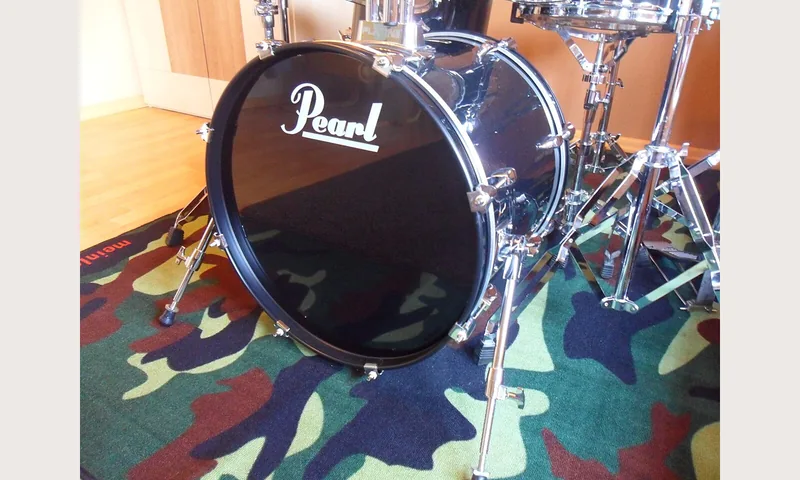
Record kick drum attack and body together
Use placement to choose how much impact and low resonance reaches the microphone.
Read the guide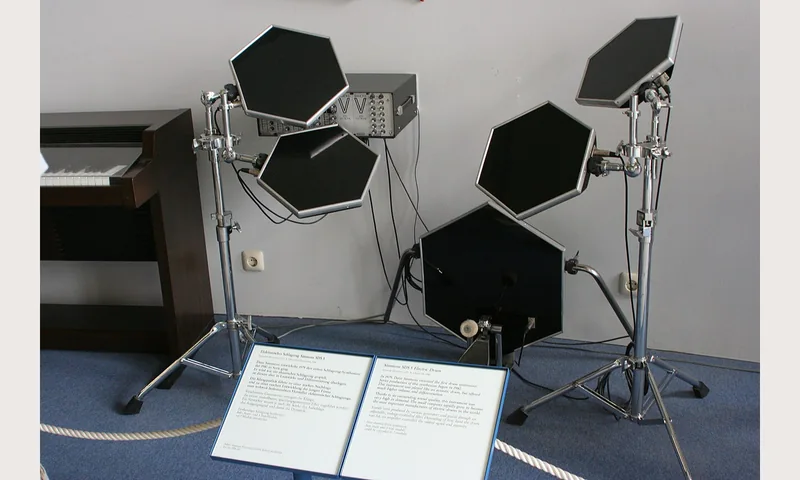
Record drum MIDI and module audio together
Capture an editable performance and the sound you actually played in one take.
Read the guide
Comp drum takes across all microphones together
Build a complete performance without combining microphones from mismatched hits.
Read the guide