Comp drum takes across all microphones together
Build a complete performance without combining microphones from mismatched hits.
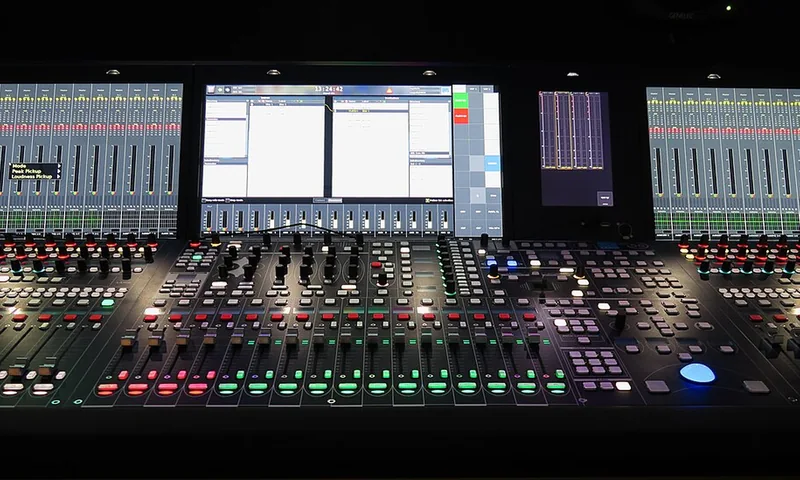
The short answer
Choose musical sections from complete takes, switch the whole drum microphone set together, and audition transitions with the arrangement. Preserve the original takes and document the choices used in the final comp.
What to do
- Organize each complete take across the same drum track layout.
- Create linked or grouped comp lanes according to the applications documented method.
- Choose the strongest musical sections while listening to the full arrangement.
- Switch all drum microphones together at each selected boundary.
- Crossfade carefully, then compare the completed comp with a continuous take.
Choose the performance before the waveform
The most visually regular take may not have the best feel or interaction with other musicians. Listen for conviction, transitions and the way fills support the song. Mark useful sections using musical names such as verse two or last chorus. A slightly uneven but coherent passage can be stronger than a technically tidy patch assembled one hit at a time.
Keep takes linked across the kit
Using a snare close microphone from one take over overheads from another can create doubled or incompatible events. The player will not strike every note at identical times or dynamics. Switch all microphones that captured the same performance together, including room signals. If an exceptional repair uses a different source, treat it as a separate production decision and listen for its consequences.
Find transitions that preserve decay
Section boundaries often offer useful places to comp, but a crash or room tail may cross them. Listen before and after the boundary rather than cutting exactly at a bar line by habit. A crossfade must accommodate the whole kit. If the two takes have very different cymbal patterns or tuning, choose a wider musical section instead of forcing a tiny splice.
Retain a clear revision path
Keep original takes and a saved version before flattening or committing the comp. Name the selected source for each section in a note or marker. If the arrangement later changes, this makes it possible to extend a passage without guessing. Deliver a rough mix of the comp so collaborators hear the intended assembled performance rather than an arbitrary combination of visible lanes.
Check the result
Listen from one full phrase before each comp boundary to one phrase after it. The groove, ambience and cymbal behavior should continue convincingly, with no accidental flam or abrupt change in kit balance.
Know the limits
Comping tools and group behavior vary by host. Verify that the selected operation acts on the whole microphone set before committing edits or deleting alternate takes.
Further reading
Sources for the connections and technical principles discussed above. The diagnostic sequences are our editorial explanation. Consult the manual for your exact model before changing hardware or settings.
These are general educational guides, not hands-on product reviews. How we prepare our content. Cover photo source & license.
Keep working on your setup
Record drum MIDI and module audio together
Capture an editable performance and the sound you actually played in one take.
Read the guide
Record kick drum attack and body together
Use placement to choose how much impact and low resonance reaches the microphone.
Read the guide
Fit kick drum and bass together in a mix
Use arrangement, envelope and tone to give both low-end parts a clear role.
Read the guide