Identify distortion that is already in the recorded waveform
Separate input clipping from later processing before changing gain.
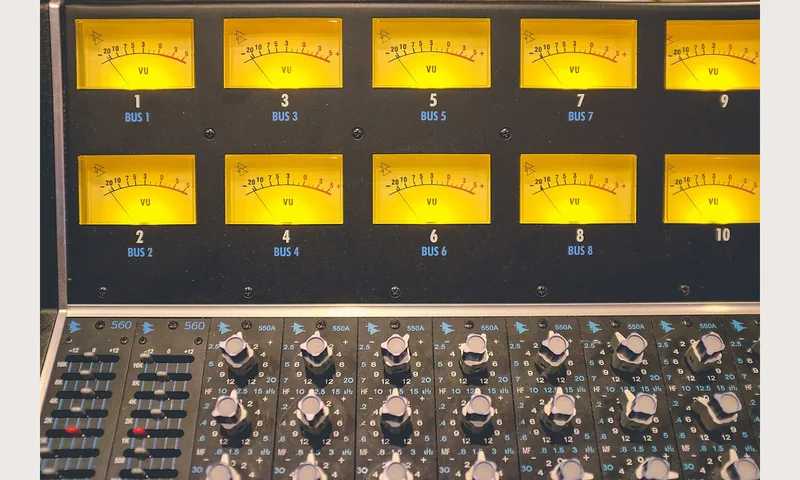
The short answer
Turning down a track fader lowers playback level but cannot undo distortion captured at the input. Compare the raw recording against the processing chain.
What to do
- Duplicate the session or save a diagnostic version
- Bypass track and bus processors without changing the source file
- Listen to the raw take quietly and inspect the recorded peaks around the rough passage
Trace the first distorted stage
If the unprocessed take is clean, enable processors one at a time and watch their input and output levels. If distortion remains in the raw recording, check interface gain, the microphone or instrument output, and any upstream preamp before recording again. Flat peaks alone are suggestive, not conclusive.
Check the result
A new short test take should remain clean through the loudest intended performance when played through the same clean path.
Know the limits
Some instruments intentionally distort. Repair tools may reduce artefacts but cannot guarantee reconstruction of the original signal.
Further reading
Sources for the connections and technical principles discussed above. The diagnostic sequences are our editorial explanation. Consult the manual for your exact model before changing hardware or settings.
- Shure: microphone techniques for recording
- Focusrite: using audio interface inputs
- Focusrite: noise at high gain levels
These are general educational guides, not hands-on product reviews. How we prepare our content. Cover photo source & license.
Keep working on your setup
Export a mono vocal without accidentally making a stereo pair
Choose a mono render path and check the delivered channel count.
Read the guide
Apply fades without softening a drum transient
Place edits around the attack and audition the transition.
Read the guide
Freeze a virtual instrument before moving a session
Create an audio fallback as well as preserving editable MIDI.
Read the guide