Compare headphone pads before replacing them
Identify the exact pad and control fit during your comparison.
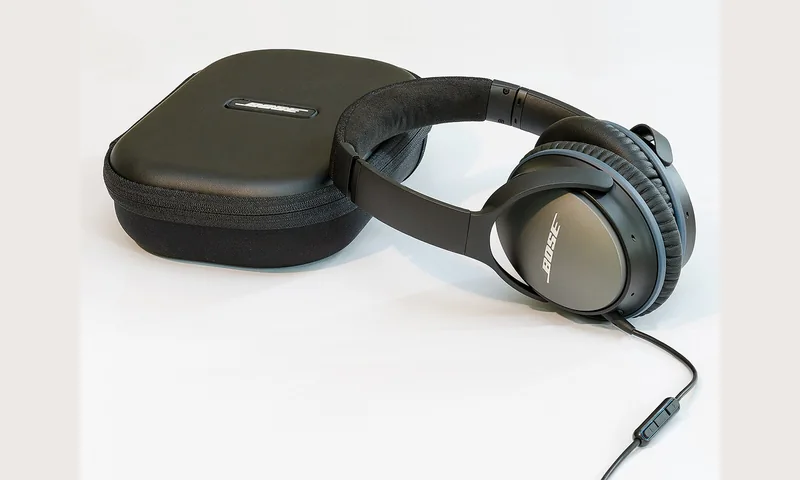
The short answer
Pads affect the seal and driver-to-ear distance, so visually similar replacements can change sound. Start with the manufacturer's compatible part rather than assuming every pad of the same diameter is equivalent.
What to do
- Photograph the original mounting ring and record the headphone model
- Check pad material, depth and attachment against the parts documentation
- After fitting a compatible pair, compare familiar speech and bass at a matched comfortable level
Separate wear from a new tuning
Compressed foam, torn covering and an uneven seal can explain a change from the sound you remember. Glasses or hair can break the seal too. Fit both pads properly before comparing: one old pad and one new pad creates an asymmetry that makes conclusions harder.
Check the result
Both sides should sit evenly without gaps, loose rings or exposed attachment edges. Stop if fitting requires force.
Know the limits
Third-party pads may intentionally change tuning. A pad comparison is not a measurement of frequency response or a guarantee of restored factory performance.
Further reading
Sources for the connections and technical principles discussed above. The diagnostic sequences are our editorial explanation. Consult the manual for your exact model before changing hardware or settings.
- Neumann: headphone construction and amplifier matching
- Neumann: headphone impedance and amplifier requirements
- WHO: safe listening
These are general educational guides, not hands-on product reviews. How we prepare our content. Cover photo source & license.
Keep working on your setup
Check speaker polarity when the centre image feels hollow
Use a mono voice to separate reversed wiring from a room reflection.
Read the guide
Choose fixed or variable output when connecting a DAC
Decide which device owns everyday volume control before playing music.
Read the guide
Find why one album sounds quieter than another
Separate mastering differences from playback normalisation.
Read the guide